Grief Counseling Rochester Hills Michigan
Looking for a grief counselor in Rochester Hills? I'm Debbra Riemann, LMFT, a grief recovery specialist providing compassionate grief and loss counseling for adults. I offer in-person appointments in Rochester Hills as well as online grief counseling throughout Michigan.
Whether your loss is recent or happened years ago, grief counseling can provide a safe place to talk honestly about what happened, work through unresolved emotions, and begin adjusting to the changes your loss has brought.
Where can I find in-person grief counseling in Rochester Hills?
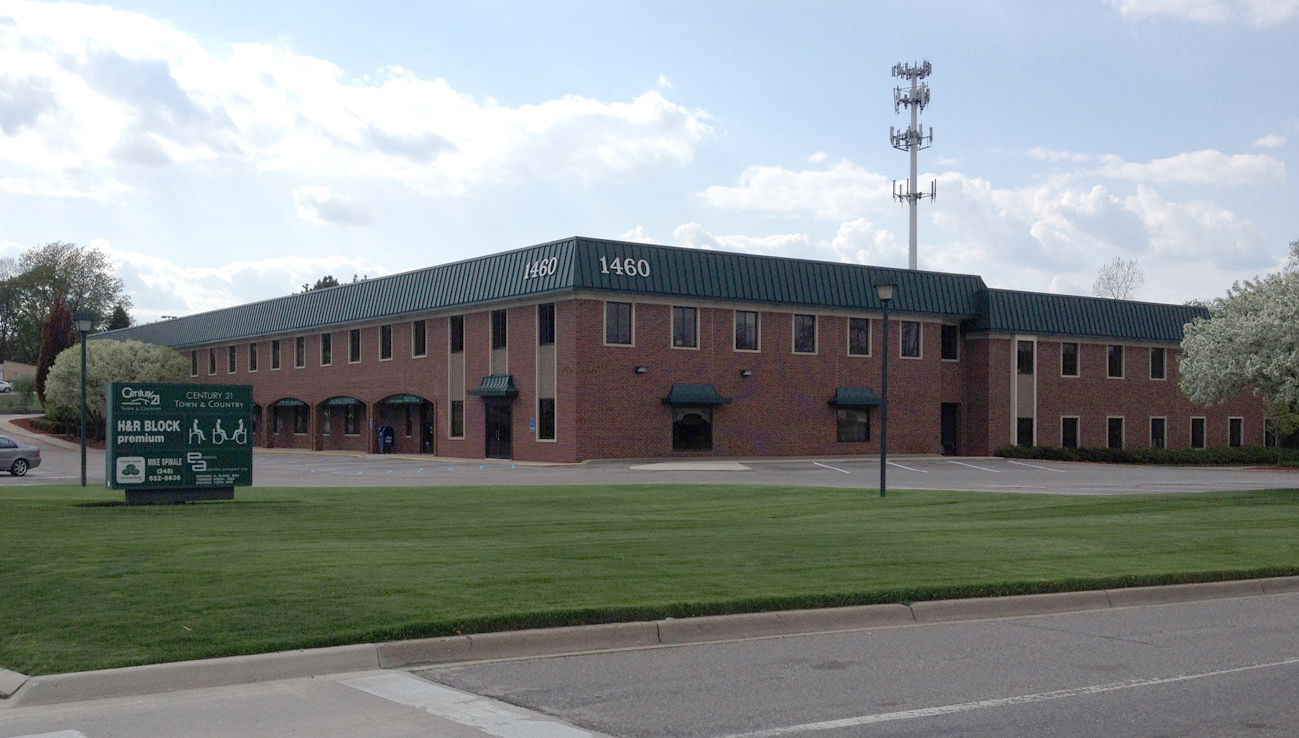
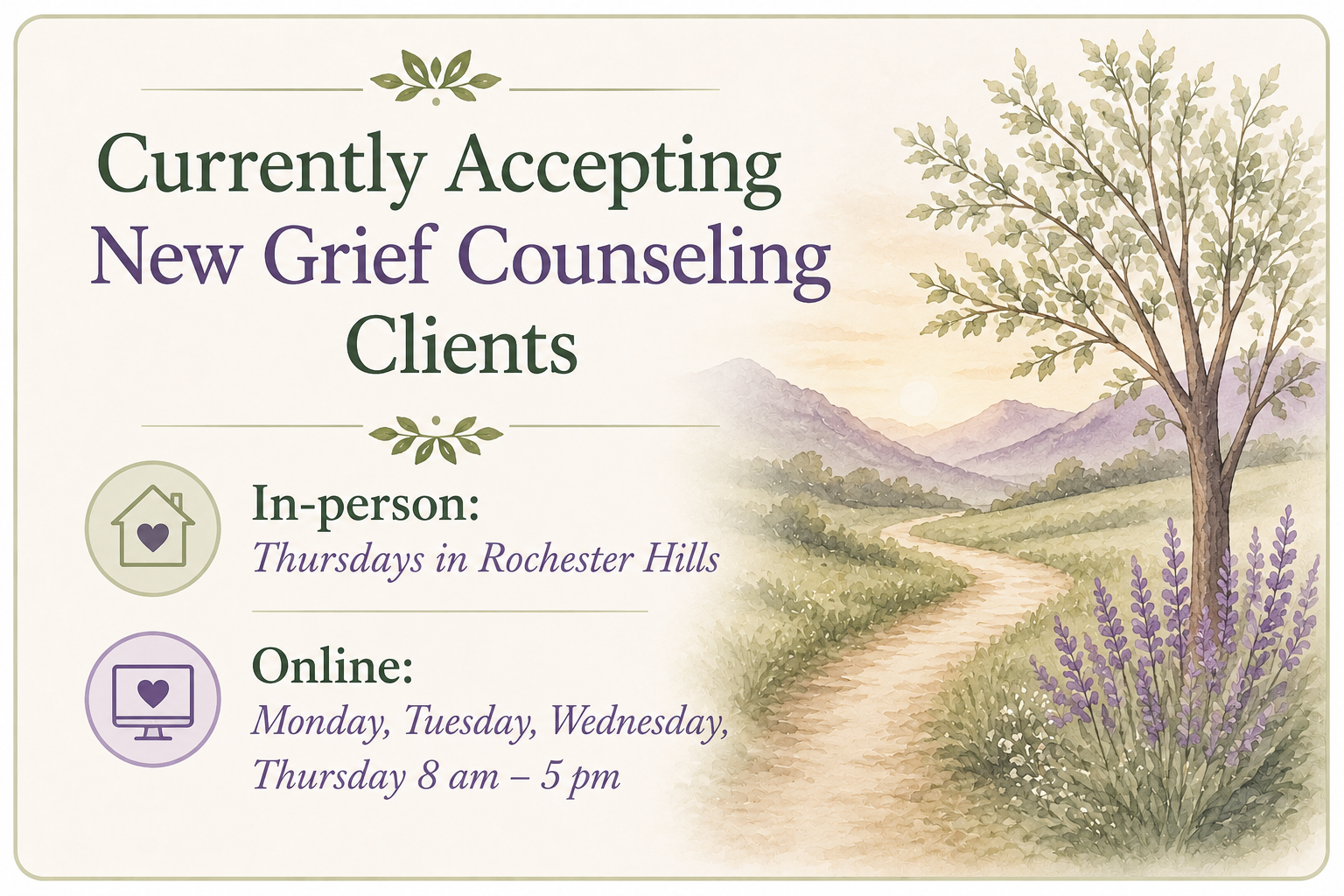
I offer grief counseling in my Rochester Hills counseling office located at 1460 Walton Blvd., just west of Livernois and across from Rochester High School. I currently offer in-person counseling appointments at this location on Thursdays.
I can help you deal with grief and loss.
(248) 929-5354
Call for a complimentary
15-minute consultation.
 Debbra Bronstad Riemann, LMFT, Grief Recovery Coach MI #4101006638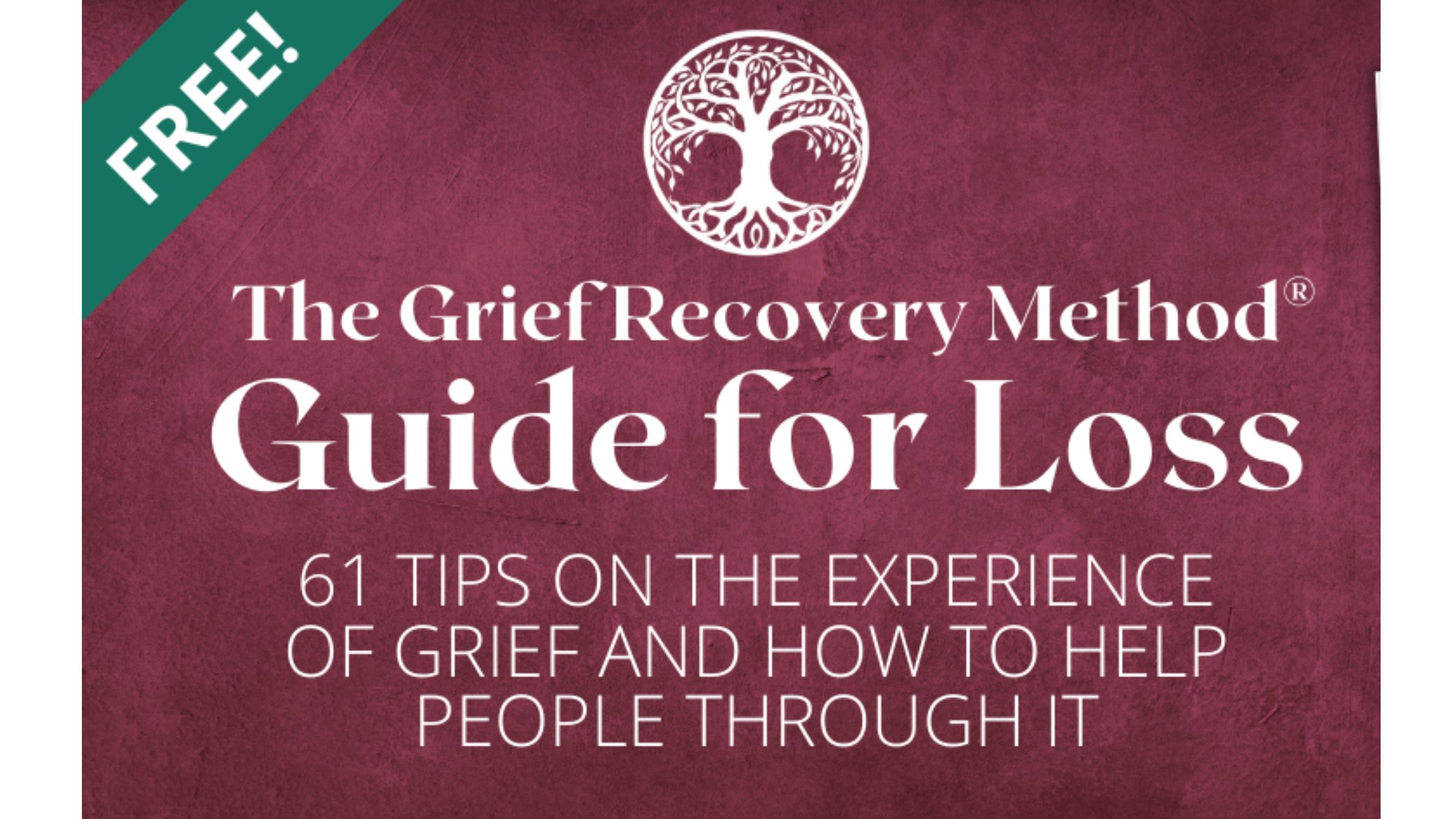
Services

What happens in grief counseling?
With any death or loss, there can be unfinished business in the relationship that complicates the healing process. As a compassionate listener, I want to hear your grief story and help you work through blocks to healing. You've probably heard that “time heals all wounds.” Yet time alone doesn't necessarily resolve the unfinished emotional business that can remain after a loss.
Using the Grief Recovery Method®, I guide you in taking inventory of the relationship with the person who died to identify unresolved areas to work through them together in session. Unresolved pain often feels like anger, guilt, regret, difficulty adjusting to life after loss, lack of concentration at work, or pain from traumatic memories in addition to sadness.
I also use Internal Family Systems (IFS) in counseling to help resolve internal conflicts of feelings such as “I love them” and “I’m really angry at them.” IFS in grief counseling can help where your feelings and logic collide. There may be things you know and think you “should” feel in a certain way. Contact me today to learn more about how IFS may help your grief process.

What if the person who died was a less than loved one?
Sometimes grief comes up even when the loss was an ex-spouse, an absent parent, an abuser, an affair partner or previous lover, or the parent of your child(ren). These situations bring up complicated feelings of previous losses that can be difficult to work through alone. I provide a nonjudgmental place to talk about these complicated feelings and the earlier losses that may be resurfacing, with the goal of helping you work through what remains unresolved.
Can grief counseling help after a traumatic death?
Traumatic grief can occur when a death was sudden, violent or frightening, or when you witnessed the death and felt helpless or alone. Where there is trauma, it can cause your mind and body to relive the event or your thoughts about the event when triggered by external or internal reminders about it. This may include intrusive thoughts, nightmares, anxiety and overwhelming feelings at inconvenient times. I help people who are bereaved release trauma associated with grief.
I can help you deal with grief and loss.
(248) 929-5354
Call for a complimentary
15-minute consultation.
Who do I help with grief counseling?
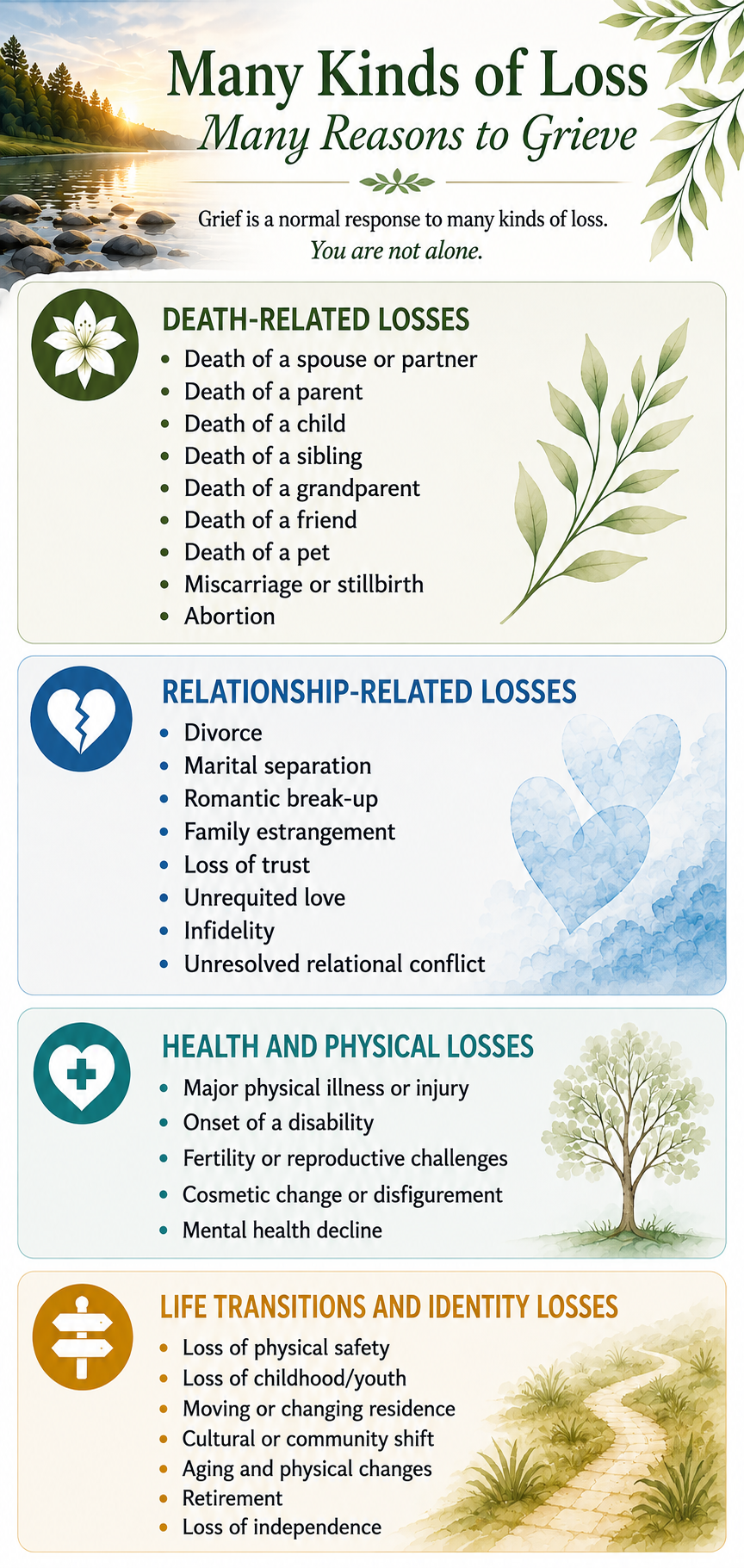
I work with adults experiencing many kinds of grief and loss, including:
- Death of a spouse, partner, parent, child, family member or friend
- Divorce, separation or relationship loss
- Betrayal and loss of trust
- Job, career or financial loss
- Loss of community or belonging
- Loss of faith or disappointment with God
- Major life transitions and other significant losses
Frequently Asked Questions
How soon after a death should I seek grief counseling?
There is no required waiting period before seeking grief counseling. Some people reach out in the first days or weeks after a death, while others seek help months or even years later. If you're feeling overwhelmed, struggling with guilt or regret, having difficulty adjusting to life after your loss, or simply want a safe place to talk with someone who understands grief, counseling may be helpful. You don't have to wait until your grief becomes unbearable to reach out for support.
Do I need grief counseling or a grief support group?
Both individual grief counseling and grief support groups can be helpful, but they serve different needs. A support group provides connection with others who have experienced loss and can reduce the feeling that you're grieving alone. Individual grief counseling provides private, personalized attention to your particular relationship, emotions and circumstances.
Counseling may be especially helpful when you're struggling with unresolved guilt or regret, traumatic memories, complicated relationships, major life changes after the loss, or feelings that are difficult to discuss in a group. Some people benefit from using both.
Do you offer online grief counseling?
Yes! I am professionally licensed as a Marriage and Family Therapist to offer online grief counseling to residents of Michigan, California and Colorado.
What happens during the first grief counseling session?
During our first session, I’ll ask you about what brings you in to counseling. We’ll talk about your loss and what you’re struggling with now. We’ll discuss your goals for therapy and I’ll share what I can offer that can be helpful for healing and adjusting your life to loss.
What are your Fees? Do you take insurance?
I am in-network for Blue Cross/Blue Shield.
Private pay: $175/ session
Online or in-person sessions are 55 minutes.
Do you provide Christian Counseling?
Yes. For clients who desire a Christian approach to grief counseling, I can incorporate your faith, spiritual beliefs and relationship with God into our work together. During our first session or two, I'll ask about your preferences so that faith is included in a way that feels supportive and appropriate for you. I know grief can include anger or disappointment with God or questions about faith. I’m prepared to walk with you in the searching.
What if I am not a Christian or do not want Christian counseling?
I support clients in grief recovery from a wide range of backgrounds and beliefs. The Grief Recovery Method® and Internal Family Systems are faith-neutral and effective tools for grief recovery.
How to Choose a Grief
Counselor in Rochester Hills
If you're comparing grief therapists or bereavement counselors in Rochester Hills, don't be afraid to ask...
1.
How much experience do you have working specifically with grief and loss?
A therapist may be very experienced overall without having much specialized experience
with bereavement. Ask about the counselor's training and experience with
grief—and particularly with the kind of loss you are facing. Ask, “Have you
worked with people who have experienced a loss similar to mine?”
2.
What is your approach to grief counseling?
Ask what counseling will actually be like. Will you mostly talk about the
person who died? Will you work on coping skills? Guilt and regret? Trauma?
Relationships? Adjusting to life after the loss? There isn't one universally
right way to grieve, and contemporary grief counseling encompasses multiple
theoretical approaches.
3. Will you respect my faith—or my struggles with faith?
Ask, “How do you incorporate a client's spiritual beliefs—or questions about those beliefs—into grief counseling?”
4.
Do I feel emotionally safe talking with this person?
Does the counselor listen? Do you feel understood rather than judged or rushed?
Can you imagine telling this person about the parts of your grief that are
difficult to say out loud? Your comfort level, rapport and trust are all
important components of choosing a therapist.
5.
What practical arrangements do I need to know about?
Ask about availability, in-person versus telehealth sessions, fees, insurance
or out-of-network reimbursement, appointment frequency, cancellation policies,
and how the first appointment works. These are standard and appropriate
questions when choosing a therapist.
Then after your first conversation or session, ask yourself:
Did I feel heard? Did I feel comfortable enough to be honest? Did this counselor seem to understand grief rather than simply trying to make it go away? Did I leave feeling that this is someone I could trust with my story?
Looking
for grief counseling Rochester Hills?
I encourage prospective clients to ask me these same questions. Choosing a
grief counselor is personal, and I want you to have enough information to
decide whether my experience, approach and style feel right for you.
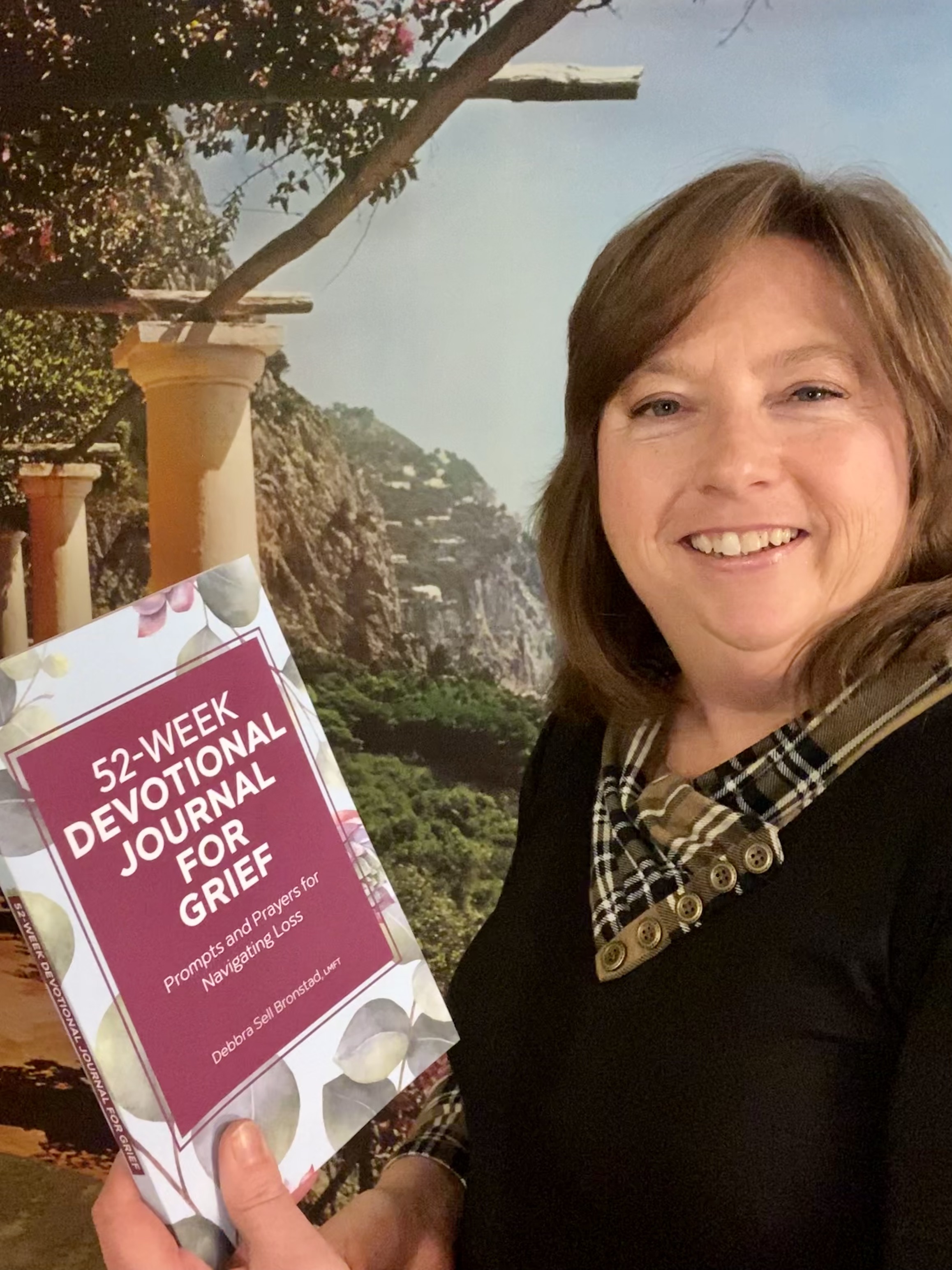
I'm Debbra Bronstad Riemann, a Licensed Marriage and Family Therapist (LMFT) who has specialized in helping adults with grief, loss and relationship concerns since 2010.
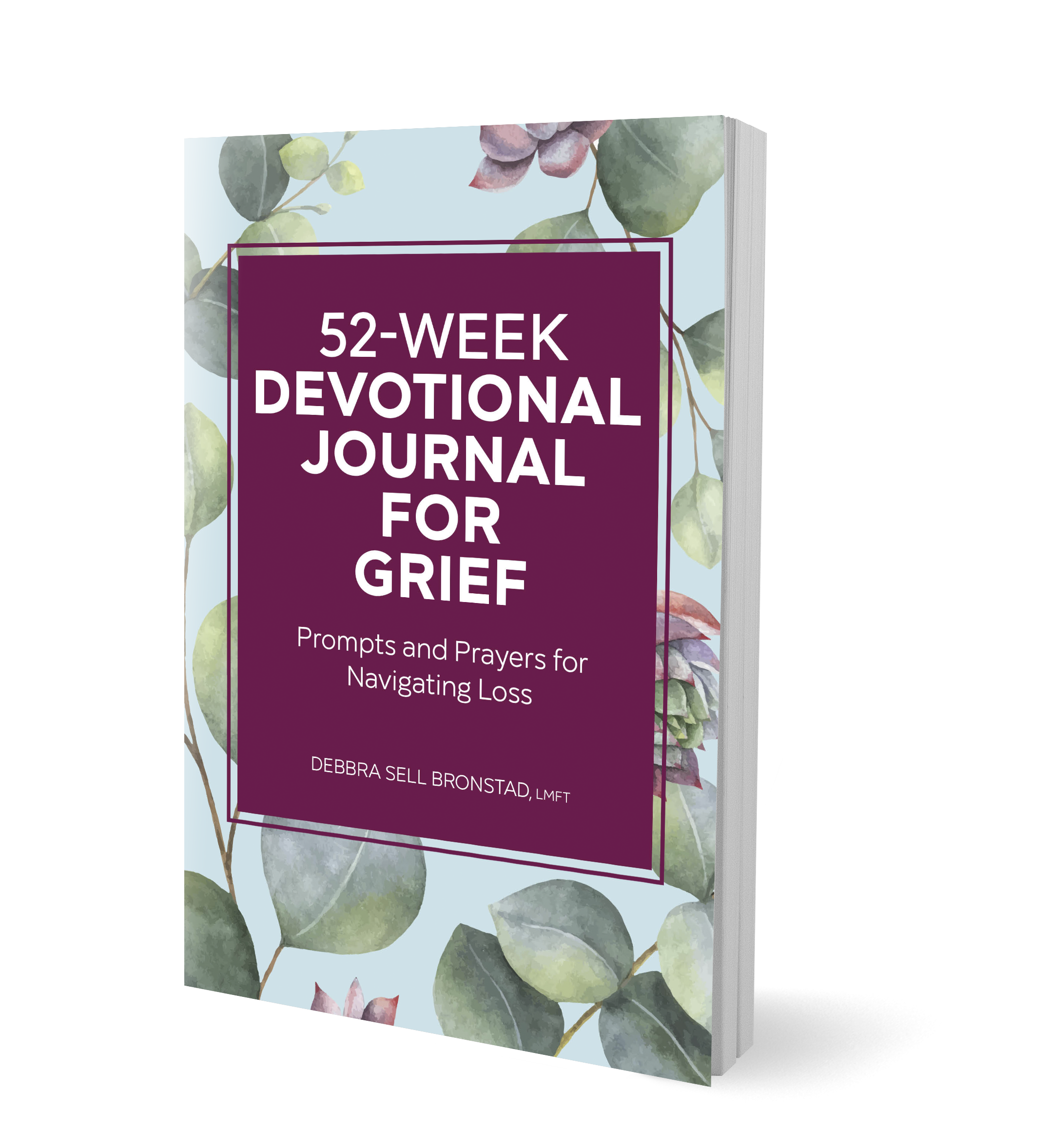
I'm also the author of 52-Week Devotional Journal for Grief, which uses weekly reflections and guided writing to help people process grief and adjust to life after loss. The book is available on Amazon and Barnes & Noble and other places where books are sold online.
Call today for a free consultation. Let's talk about how we could work together for your counseling needs.
Return Home from Grief Counseling Rochester Hills Michigan